





The fall of Fetty Wap is one of the clearest examples of how quickly fame can collapse when criminal activity collides with federal law. Unlike cases built on rumors or unresolved trials, Fetty Wap’s situation ended with a conviction, a long prison sentence, and years behind bars.
Fetty Wap, whose legal name is Willie Maxwell II, went to jail because he was convicted of participating in a large-scale federal drug trafficking conspiracy involving cocaine, heroin, fentanyl, and crack cocaine.
Here is the full story.
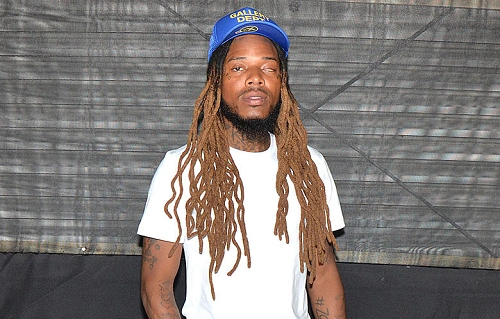
Fetty Wap at His Peak
In 2015, Fetty Wap exploded onto the music scene with Trap Queen. The song became a cultural phenomenon, followed by multiple chart hits and lucrative touring deals. For several years, live performances were his main source of income.
But by the late 2010s, his commercial momentum slowed. Behind the scenes, prosecutors say, he was becoming involved in something far more dangerous than music.
The Drug Trafficking Operation
According to federal court records, Fetty Wap was involved in a drug trafficking ring operating between June 2019 and June 2020.
The operation spanned:
- Long Island, New York
- New Jersey
- Drug supply routes from the West Coast to the East Coast
The organization trafficked massive quantities of drugs, including:
- Cocaine
- Heroin
- Fentanyl
- Crack cocaine
Prosecutors stated the group moved more than 100 kilograms of controlled substances during the conspiracy.
Fetty Wap’s Role
Federal authorities described Fetty Wap as a “kilogram-level redistributor.”
This meant:
- He was not a low-level street dealer
- He handled large quantities of drugs
- He redistributed narcotics to others within the network
Investigators alleged the group used:
- Vehicles with hidden compartments
- The U.S. Postal Service
- Coordinated drop-offs and coded communications
This was treated as an organized, professional operation—not casual involvement.
The Arrest at Rolling Loud (2021)
Fetty Wap’s arrest made headlines because of where it happened.
In October 2021, federal agents arrested him at Citi Field in New York, just before he was scheduled to perform at the Rolling Loud music festival.
The arrest shocked fans and immediately signaled that prosecutors had been building their case for some time.
He was charged with:
- Conspiracy to distribute and possess controlled substances
Guilty Plea and Federal Case
Rather than go to trial, Fetty Wap pleaded guilty to the conspiracy charge.
By pleading guilty, he accepted responsibility for his role in the operation and avoided the risk of an even longer sentence if convicted at trial.
Federal prosecutors pushed for a severe punishment, citing:
- The volume of drugs
- The presence of fentanyl
- His leadership role
- Prior criminal history
Bail Revocation: Why He Stayed Locked Up
Initially, Fetty Wap was released on bail while awaiting sentencing.
That changed in August 2022.
Prosecutors alleged that while on release, he:
- Pointed a firearm at someone
- Made death threats during a FaceTime call
This was a direct violation of his bail conditions.
As a result:
- His bond was revoked
- He was taken back into custody
- He remained jailed from that point forward
This incident played a major role in how the judge viewed him at sentencing.
The Sentence (May 2023)
In May 2023, a federal judge sentenced Fetty Wap to:
- Six years in federal prison
The court emphasized:
- The scale of the drug operation
- The danger posed by fentanyl
- His conduct while on release
During sentencing, Fetty Wap expressed remorse. His attorneys argued that financial desperation during the COVID-19 pandemic, which shut down touring, pushed him toward illegal activity.
The judge acknowledged the argument—but still imposed a lengthy sentence.
Current Status (Early 2026)
As of January 2026, Fetty Wap is no longer inside a federal prison facility.
After serving:
- Roughly 3.5 years (including time served before sentencing)
- He was:
- Released early
- Transferred to home confinement to complete the remainder of his sentence
This release reflects federal good-time credits and eligibility for supervised home confinement—not an overturned conviction.
The Bigger Picture
Fetty Wap’s case is not about a momentary lapse or a technical violation. It involved:
- Organized drug trafficking
- Large quantities of lethal substances
- Federal conspiracy charges
His fame did not protect him. In fact, prosecutors argued it gave him access and influence.
Final Takeaway
Fetty Wap went to jail because he pleaded guilty to participating in a large-scale federal drug trafficking conspiracy.
He was sentenced to six years in prison, lost his freedom while awaiting sentencing due to a bail violation, and served more than half his term before being moved to home confinement in 2026.
It’s a stark reminder that chart-topping success does not cancel criminal responsibility—and that federal cases rarely end lightly once they begin.