







In Better Call Saul, Juan Bolsa’s quiet push to keep Lalo Salamanca locked up has nothing to do with justice, morality, or loyalty. It’s about control. Money. And survival inside a cartel that eats its own when profits dip.
Bolsa isn’t afraid of Lalo because Lalo is violent. He’s afraid because Lalo is unpredictable.
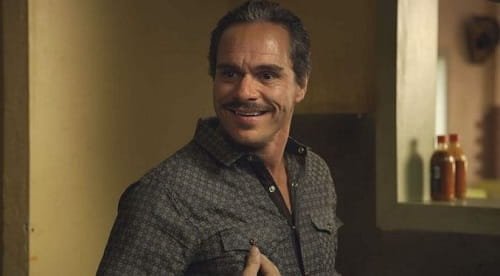
Bolsa’s Role in the Cartel Hierarchy
Juan Bolsa sits in a delicate position. He’s not the boss. That’s Don Eladio. And he’s not muscle like the Salamanca family.
Bolsa is middle management.
His job is to:
- Keep distribution smooth
- Keep revenue stable
- Keep Don Eladio happy
Any disruption reflects directly on him. And Lalo Salamanca is a walking disruption.
Lalo Is a Threat to Stability, Not Power
Lalo doesn’t want more territory or more money. He wants answers. He wants revenge. He wants to expose Gus Fring.
From Bolsa’s perspective, this is dangerous.
Gus is disciplined, quiet, and reliable. He ships product on time and keeps law enforcement at a distance. Lalo, meanwhile, pokes at operations, asks uncomfortable questions, and creates chaos for personal reasons.
Bolsa understands something crucial: Cartels don’t collapse from enemies. They collapse from internal drama.
Keeping Lalo in jail freezes that drama.
Why Killing Lalo Was Never an Option
Bolsa could not simply order Lalo’s death.
The Salamanca name carries weight. Killing Lalo would:
- Insult the entire Salamanca bloodline
- Invite retaliation
- Force Don Eladio to choose sides
Bolsa survives by avoiding attention. A Salamanca assassination would put a spotlight directly on him.
Jail, however, offers deniability.
If Lalo is imprisoned by American authorities, Bolsa doesn’t look like a traitor. He looks like a bystander. The system did the dirty work for him.
Prison as a Business Solution
From Bolsa’s angle, jail is elegant.
- Lalo is alive → no blood feud
- Lalo is contained → no interference
- The cartel keeps earning
- Bolsa keeps his position
Lalo being locked up for Fred Whalen’s murder is ideal. It removes him from play without forcing the cartel to admit there’s a problem.
This is how smart cartel figures operate. They don’t swing hammers. They move paperwork and let others apply pressure.
Why the Bail Money Mattered So Much
When Lalo’s $7 million bail enters the picture, Bolsa sees danger.
If that money reaches the court:
- Lalo walks free
- Lalo resumes investigating Gus
- Lalo destabilizes operations
That’s why Bolsa interferes indirectly.
The desert ambush in “Bagman” isn’t about punishment or revenge. It’s about logistics. If the money disappears, Lalo stays exactly where Bolsa wants him — behind bars, unable to act.
Jimmy McGill isn’t important. He’s just the courier. The money is the target.
Bolsa vs. Gus: A Quiet Conflict
What makes this storyline compelling is that Bolsa and Gus want opposite outcomes for the same man.
Bolsa wants Lalo frozen in place.
Gus wants Lalo sent home.
Why? Because Gus understands something Bolsa doesn’t fully appreciate:
Lalo is most dangerous when trapped but alive.
In Mexico, Lalo can be eliminated discreetly. In the U.S., he’s protected by courts, lawyers, and the DEA. Gus is willing to endure short-term risk to secure a permanent solution.
That’s why Gus intervenes. That’s why Mike ensures the bail money survives.
Why Bolsa Loses This Battle
Bolsa plays defense. Gus plays endgame.
Bolsa wants quiet stability. Gus wants finality.
By the time Lalo is released, Bolsa has already lost control of the situation — without realizing it. His strategy was conservative, cautious, and logical. It just wasn’t ruthless enough.
Final Takeaway
Juan Bolsa wanted Lalo Salamanca to stay in jail because jail neutralized him without bloodshed, backlash, or blame. It preserved profits, protected Gus’s operation, and kept Bolsa safely in Don Eladio’s good graces.
It was never personal.
In Better Call Saul, jail isn’t punishment.
It’s leverage.