






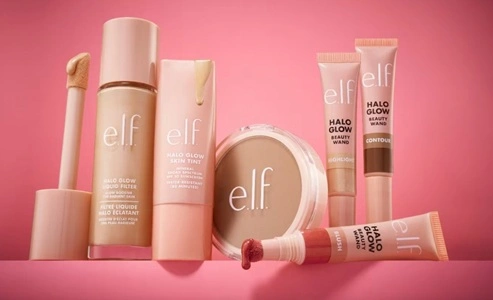
Elf cosmetic slack fill class action has attracted the interest of the beauty enthusiasts in the United States. The case asserts that e.l.f. Cosmetics was deceptive in packaging and sold items in huge containers that could not be fully filled. All these accusations have led to debates on the transparency of the beauty industry as well as the effect of packaging on consumer confidence. We shall look into what the case is all about, why it is relevant and what it could mean for both consumers and the cosmetics industry.
What Is the e.l.f. Cosmetics Slack Fill Class Action About?
The elf cosmetics slack fill class action focuses on two best-selling items: Holy Hydration! Gentle Peeling Exfoliant and Glossy Lip Stain. The complaint states that these items were sold in half-filled containers which were in reality no more than one-half full. The case was filed in a federal court in California where it claims that the brand has utilized non-functional slack-fill additional empty packaging that has no purpose or does not offer protection to the product.
The plaintiff, Geneva Gonzales, complains that the practice deceives the shoppers to believe that they are getting more product than they are in fact receiving. Given that the packaging is opaque, consumers are not able to know the amount of product in the packaging before purchasing. Consequently, several customers could have ended up buying half-full containers at a high cost.
Understanding Slack-Fill and Why It Matters
The difference between the capacity of the container and the amount of the product that is placed in the container is known as “Slack- fill.” In other cases it may need very little empty space like in the need to cushion delicate goods or machine-loading operations. Non-functional slack-fill in any situation where the unoccupied area is not useful or valuable is, however, viewed as misleading by the provisions of the U.S. consumer protection legislation.
In the mentioned case, it is alleged that the e.l.f. Cosmetics used a non-functional slack-fill. The grievance is that the free space failed to cushion the product or outcome of settling of the product during shipment. Rather, it supposedly made the packaging appear bigger and more attractive, and persuaded consumers to pay more money with less product.
Claims and Legal Actions
The cosmetics slack fill lawsuit in the case of the elbow is claimed to have been infringing upon various California consumer laws and packaging laws. The plaintiff wants to recover compensation to the aggrieved consumers, injunction to prevent the deceptive acts, and a juried hearing.
The case will seek to represent the entire Californian population who bought the underfilled e.l.f. products less than four years ago. If successful, it may result in awarding monetary damages to consumers and tightening of the belt on packaging transparency in all the beauty industry.
Why This Case Has Caught Public Attention
The cosmetic business frequently counts on beautiful packages to entice fashionable persons. Nevertheless, this court case is an inquiry on whether brands occasionally mislead with packaging designs instead of informing. Most shoppers think that a bigger container has more product particularly when they are not able to peep in it.
According to the view of consumer advocates, such type of marketing exploits trust and perception. The elf cosmetics slack fill class action has been a central point of continuing discourse on corporate responsibility and truthful advertising.
Also, it is not the first occasion that e.l.f. Cosmetics underwent legal questioning. In 2020, the brand was also reportedly involved in another lawsuit that claimed its “oil-free” foundation products contained oil. These are some of the problems that have prompted a few customers to demand more transparency and accountability in the way beauty products are promoted.
What This Means for Consumers
For U.S. consumers, the elf cosmetics slack fill class action serves as an important reminder to read product labels carefully and stay aware of deceptive packaging tactics. Customers can save themselves by verifying the product weights, sizes and measurements found on labels and no longer depend on the size of the containers.
In the event of a successful lawsuit, it would establish precedent to other beauty brands to upgrade their packaging and to quit deceptive designs. It can also lead regulators to become stricter regarding the amount of empty space in the packaging of consumer goods.
The Bigger Picture in the Beauty Industry
The case brings up a trend of increasing transparency and consumer security in the beauty industry. With purchase decisions being influenced by social media and online reviews, the brands that do not stay truthful when it comes to providing information will become damaged. The current consumers embrace authenticity and demand brands to deliver what they promise in terms of quality and quantity.
The result of the slack fill class action involving the elf cosmetics may affect the way the other companies will design their packaging and how they market their products. Some positive verdict of the consumers can promote the whole industry to use some more transparent and less misleading labeling and packaging.
Conclusion
The elf cosmetics slack fill class action underscores the importance of truth in marketing and packaging. Although the use of the beauty product is mostly based on the beautiful appearance, that beauty must not be at the expense of customer loyalty. The case will most probably influence future discourse concerning a fair business practice within the cosmetics market as the lawsuit proceeds. For shoppers, it acts as an excellent reminder that they need to watch past the outlook and require brands they adore to act truthfully.