






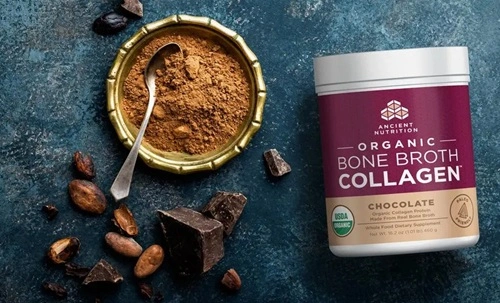
The Ancient Nutrition lawsuit recently became a national concern with several class action suits suing the well-known supplement manufacturer claiming that it has been misleading people. These are lawsuits that accuse Ancient Nutrition of making false claims about the quality and the advantages of its popular products, such as its Brain Boost and Bone Broth Protein powders. To most health-conscious Americans, this legal case presents very grave concerns on product labeling, transparency on ingredients, and consumer confidence.
Why Ancient Nutrition Is Facing Legal Action
Ancient Nutrition, the company that promotes “clean and natural” nutritional supplements is now being accused of misinforming its customers. The company has been sued in two large cases that are based on various products and have a similar theme namely that of false advertising.
This happens when in one instance, the complaint is centred on the Multi-Collagen Protein Brain Boost powder of the company. The plaintiff claims that Ancient Nutrition has made misleading statements on the product in regards to its capacity to enhance cognitive functioning. The lawsuit claims that the supplement was being advertised as “clinically studied” and well “proven by science” yet no such testing had been done. The plaintiff asserts that the ingredients used in the production of the product are not scientifically proven in order to enhance brain power or enhance memory.
Ancient Nutrition is accused in another case of falsifying the misrepresentation of the protein content and quality of its Bone Broth Protein powders. According to the lawsuit, the product labels are misleading in the sense that they show only the number of grams of protein per serving without stating the quality of the said protein. The complaint states that a significant portion of the protein is derived out of collagen which is “largely indigestible” and provides “little to no actual benefit” as compared to other sources of protein.
Key Allegations in the Ancient Nutrition Lawsuit
Both class suits advance quite a number of robust claims relating to the manner in which the marketing of the company is an abuse of the consumer protection laws. Amongst other pleas there are:
- Fake scientific endorsements: The company misled consumers to believe their product, the Brain Boost, was labeled as a clinical study and peer-reviewed.
- False labeling of proteins: The Bone Broth Protein foods purportedly does not utilize the proper measure of calculating protein quality as stipulated by the FDA through the Protein Digestibility Amino Acid Corrected Score (PDCAAS).
- Exaggerated health benefits: The lawsuits claim that consumers were duped into believing that the products had the ability to enhance their brain function, joints wellness and digestion; claims that the lawsuits claim are not determined by reliable studies.
- False advertisement practices: The attorneys claim that the suits intentionally employed scientific terminology so that its supplements may seem more valid and effective than they are.
These allegations are yet to be proven out of court, but the cases are proceeding against the federal courts around the United States.
What This Means for Consumers
The success of the Ancient Nutrition lawsuit would result in a possible precedent of more rigorous laws regarding the labeling and marketing of supplements. Most consumers use product descriptions and brand reputation to purchase supplements based on the assumption that companies deliver truthful and factual details.
The lawsuits point at the fact that the process of misguiding health claims easily impacting the buying behavior is a very easy one, particularly in the case of old age, or individuals seeking natural remedies to their health issues. The consumers who bought the concerned products can also have their refund or compensated by the court in case they chase their cases successfully in the court.
The Bigger Picture: Truth in Supplement Marketing
The examples of Ancient Nutrition brought light to a bigger concern in wellness business transparency. The U.S. market is a billion-dollar industry due to its huge size and less stringent rules compared to the pharmaceutical market. Due to this, there are other companies that are making obtuse claims or overstated claims to advertise their products that lack substantial scientific evidence.
The result of the lawsuit of Ancient Nutrition is a hope of the consumer advocates to make companies focus on honesty and evidence-based marketing. The lawsuits serve to remind shoppers to do their research on supplements, read labels to make sure they know ingredients and whether claims are supported by independent scientific research.
How Consumers Can Stay Protected
U.S. consumers could implement several proactive measures to prevent falling prey to false supplement claims:
- Check third party testing: Find items that are tested by third party busybodies which ensure that the ingredients are high quality.
- Check reviews thoroughly: Customer reviews can tell more about the effectiveness of a product than was said in marketing words.
- Ask a healthcare expert: It is a good idea to consult a physician or even a nutritionist before purchasing any supplements.
- Scientific support of research: Fake pills usually refer to published research or clinical trials of reputable sources.
Final Thoughts
The Ancient Nutrition lawsuit reminds every consumer and supplement manufacturers that they should wake up. It brings to the fore the significance of scientific accuracy, valid labeling and ethical marketing in the wellness industry. With the ongoing lawsuits, the consumers will be also monitoring whether Ancient Nutrition will be fined or alter its labeling and advertising policies.
From now, the case remains a reminder that in the business of health products, transparency is more than a good business echelon feature; it is a future distinct guarantee of trust in consumers.