






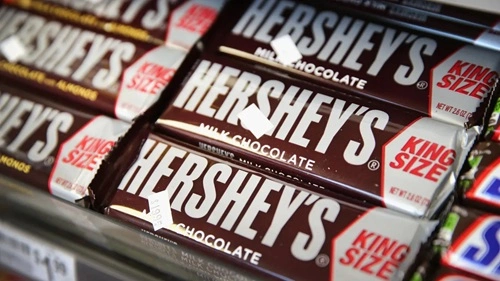
The Hershey class action lawsuit has become a national headline, and the claims of labor practices and workplace offences are grave, which have been associated with one of the most familiar brands of chocolate in America. Although Hershey has popular products such as Reese, Kisses, and Kit Kats, recent litigation has given an alternative version of Hershey, one contributing to child labor sourcing of cocoa, wage non-payment to factory workers, and inaccurate product labeling. The post describes the facts, main concerns, and possible consequences of the Hershey lawsuits on the consumers and the workers in the U.S.
What Sparked the Hershey Class Action Lawsuit?
The initial Hershey massive lawsuit is based on the accusation that Hershey was using cocoa produced by the farms where children and forced labor were practiced. As disclosed in legal reports, Hershey cocoa supply chain in West Africa, specifically in Ivory Coast is largely dependent on the use of child labor, something that most consumers were supposedly ignorant of.
Plaintiffs claim that Hershey actively promotes such unethical activities at the expense of selling its chocolate as premium and trustworthy. The plaintiff asserts in the case that in case the U.S. consumers were aware of the existence of these conditions they would have opted against buying Hershey products.
The present case raises the alarming issues related to supply chain transparency and food ethical sourcing. It also highlights the role of large brands towards ensuring that its raw materials are of fair and humane labor.
The Wage and Hour Lawsuit: Workers Seek Justice
Another noteworthy Hershey case of lawsuits is the one brought against factory and production employees. A case that was filed by Nilges Draher LLC claims that Hershey breached Federal wage and hour provisions by not compensating its workers on the basis of hours worked.
According to the lawsuit, the production workers were forced to wear and take off sanitary and unsafe protective wearing items including uniform, boots, hairnets among others without pay. According to the Federal law, such activities are considered work time and employees must be compensated on the same. This case holds that Hershey did not compensate this time, and this resulted in thousands of employees spending their days doing unpaid overtime at its manufacturing facilities.
As an example, the workers in the Illinois plant of Hershey state that they used to take several minutes to put in and out of required protective clothes before and after their work shifts, a process that cost months or even years of salaries. This lawsuit will seek to reclaim lost wages and bring Hershey to book on these alleged offences.
The Halloween Candy Lawsuit: A Misleading Design?
Consumers filed a third Hershey class action lawsuit alleging that some of the Reese Halloween candies did not appear as expected. The customers complained that the festive design represented on the packaging like carved pumpkin face or bat were not reflected in the real candies.
Despite the headlines that this case attracted due to its weirdness, a federal judge struck down the case arguing that the plaintiffs failed to suffer any financial damages. The court held that the candies were consumed as intended and in fact, they were consumable. Hershey also cited disclaimers on the packaging that the designs were only decorating suggestions.
Although the case, the result was in favor of Hershey, the case shows how legal action in the U.S marketplace can still be brought about by consumer expectations, false advertising and labeling.
What These Lawsuits Mean for Consumers and Workers
The current cases related to the Hershey class action lawsuits demonstrate the strength of the popularizing inspection. To consumers, such lawsuits are a wake-up call to investigate further the manner in which products are manufactured and sourced. U.S. buyers are putting more emphasis on ethical consumption, particularly in situations where big brands with international supply chains are concerned.
To the workers, the lawsuits raise the level of fair labor consideration, as well as understanding of wage laws. The Fair Labor Standards Act (FLSA) of federal regulatory bodies compels employers to compensate employees on all the time spent on work-rated responsibilities. When the companies do not observe these regulations, the best way the workers seek justice is through class actions.
How Hershey Has Responded
Hershey has not acknowledged negligence in the class action cases but has publicly declared its involvement in ethical sourcing and employee fair treatment. The company states that it invests in cocoa sustainability initiatives and collaborates with their suppliers to eliminate child labour in West Africa.
Much-needed improvements are slow, however, according to critics. Legal pressure of these lawsuits may force Hershey and other larger brands to move more swiftly on their supply chain reforms and enhance their compliance with labor standards in the U.S.
Conclusion
The Hershey class action lawsuit saga exposes the complex reality behind the world’s favorite chocolate bars. These examples are causing significant questions of ethics, fairness and corporate responsibility, between cocoa farms in West Africa and production lines in the United States.
In the meantime, both consumers and employees are waiting anxiously as the court case progresses. Regardless of settlements or increased reforms, these lawsuits will influence the future of global food brand operation, and their accountability towards not only workers but also those who enable their success.