


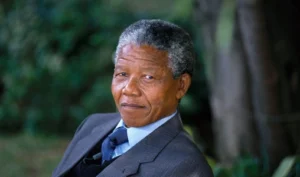

Nelson Mandela went to jail not because he committed an ordinary crime, but because he challenged a brutal system of racial oppression known as apartheid. His imprisonment was political, deliberate, and meant to silence resistance. Instead, it turned him into a global symbol of justice and freedom.
Mandela spent 27 years in prison for opposing apartheid and leading efforts to dismantle it.
Here is the full story..
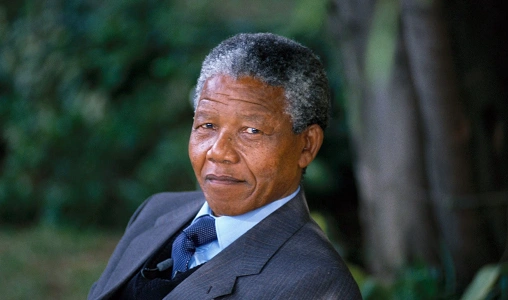
South Africa Under Apartheid
From 1948 onward, South Africa was governed by apartheid laws that enforced racial segregation. Black South Africans were denied basic rights: they could not vote, freely travel, own land in many areas, or receive equal education. Peaceful opposition was met with arrests, bans, and violence.
Mandela, a lawyer and member of the African National Congress (ANC), initially believed change could be achieved through nonviolent protest.
Mandela’s Role in the Resistance
Mandela quickly rose within the ANC and became a leading voice against apartheid. He organized protests, strikes, and campaigns of civil disobedience.
However, after events like the Sharpeville Massacre in 1960, where police killed 69 unarmed Black protesters, Mandela concluded that peaceful resistance alone was no longer effective. The government had banned the ANC and jailed its leaders.
Turn to Armed Resistance
In response, Mandela helped form Umkhonto we Sizwe (“Spear of the Nation”), the armed wing of the ANC.
Its goal was sabotage, not terrorism. The group targeted government buildings, power stations, and infrastructure—avoiding loss of life—hoping to pressure the regime into reform.
This decision would later be used by the apartheid government to label Mandela a criminal and terrorist.
First Arrest: 1962
In 1962, Mandela was arrested and charged with:
- Leaving the country illegally
- Inciting workers to strike
He was sentenced to five years in prison. At this point, the government still did not have proof linking him directly to sabotage operations.
That changed soon after.
The Rivonia Trial (1963–1964)
While Mandela was already imprisoned, police raided a secret ANC safe house in Rivonia and found documents linking ANC leaders to armed resistance plans.
Mandela and several others were charged with:
- Sabotage
- Conspiracy to overthrow the government
At the Rivonia Trial, Mandela made one of the most famous speeches in history, openly admitting his role in resisting apartheid and declaring he was prepared to die for a democratic South Africa.
Life Sentence and Imprisonment
In 1964, Mandela was sentenced to life imprisonment.
He spent:
- 18 years on Robben Island, a harsh prison where inmates did forced labor
- Additional years in Pollsmoor and Victor Verster prisons
Conditions were severe. Mandela was denied basic comforts, separated from his family, and closely monitored. The aim was to break his spirit.
It failed.
Why the Government Jailed Him
Mandela was jailed because:
- He challenged white minority rule
- He organized resistance against apartheid laws
- He refused to renounce the struggle for equality
Under apartheid law, fighting racial oppression was treated as a crime.
To the regime, Mandela was dangerous not because he was violent, but because he was effective.
Global Pressure and Release
By the 1980s, Mandela had become the most famous political prisoner in the world. International pressure on South Africa grew, including economic sanctions and cultural boycotts.
In 1990, after 27 years in prison, Mandela was finally released.
After Prison: From Inmate to President
Rather than seeking revenge, Mandela chose reconciliation.
He:
- Negotiated the end of apartheid
- Helped establish democratic elections
- Became South Africa’s first Black president in 1994
The man once called a criminal by the state became a global icon of peace.
Final Takeaway
Nelson Mandela went to jail because he fought an unjust system that denied millions of people their humanity.
He was imprisoned for resisting apartheid—not for personal gain, but for equality, democracy, and freedom.
History now remembers him not as a prisoner, but as one of the greatest moral leaders of the modern world.